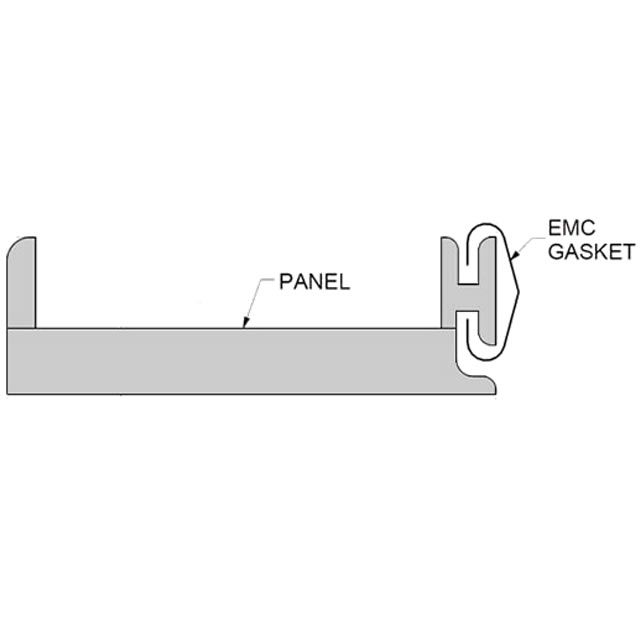
Grounding and Bonding Continuity in Rackmount Systems: Why the Chassis Is Part of the Circuit
Grounding and bonding in a rackmount system are not established by one wire or one fastener. They depend on a […]
Grounding and bonding in a rackmount system are not established by one wire or one fastener. They depend on a […]
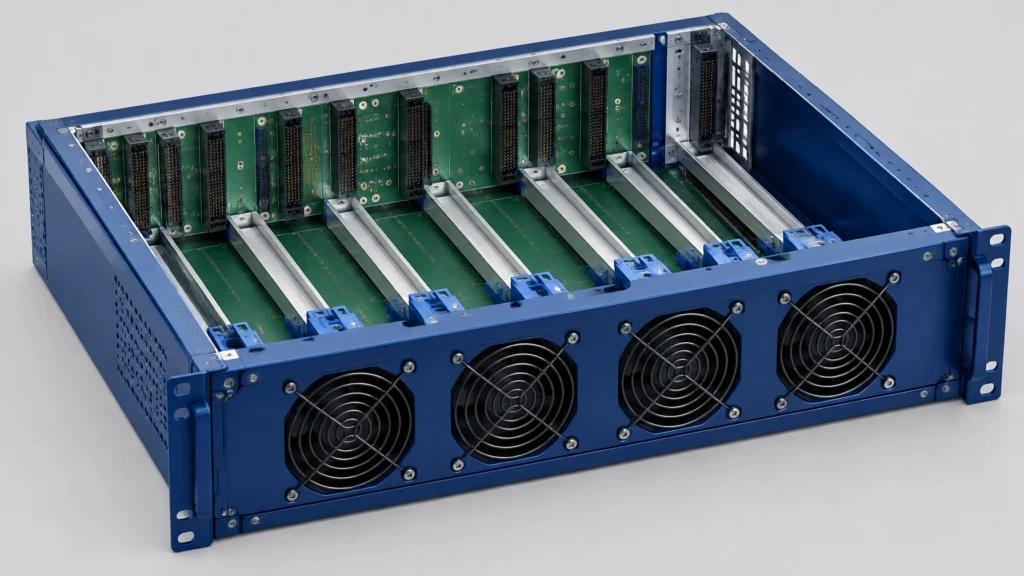
The October 8 Military Embedded Systems vetronics roundtable put a sharp figure on a growing design challenge: power density per
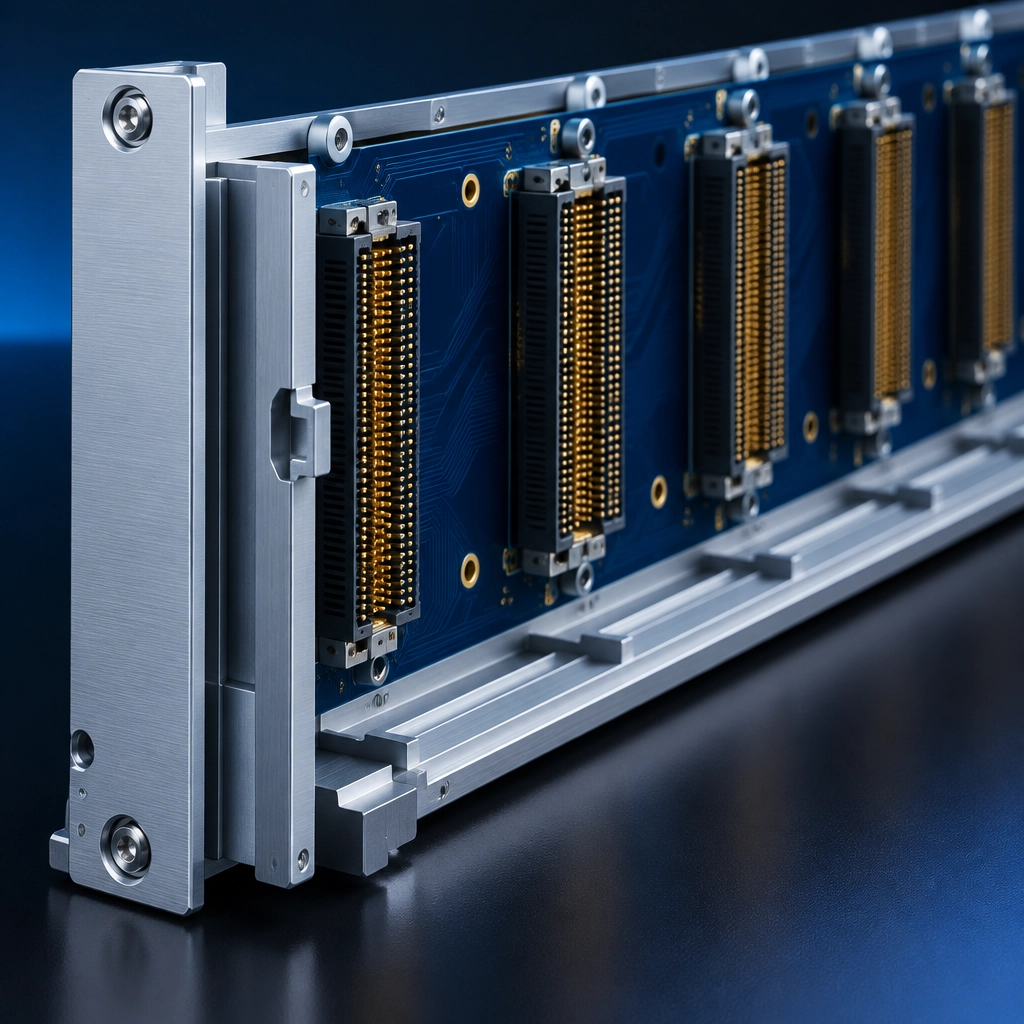
First Article Inspection (FAI) is often treated as a documentation exercise performed at the end of a manufacturing launch. For
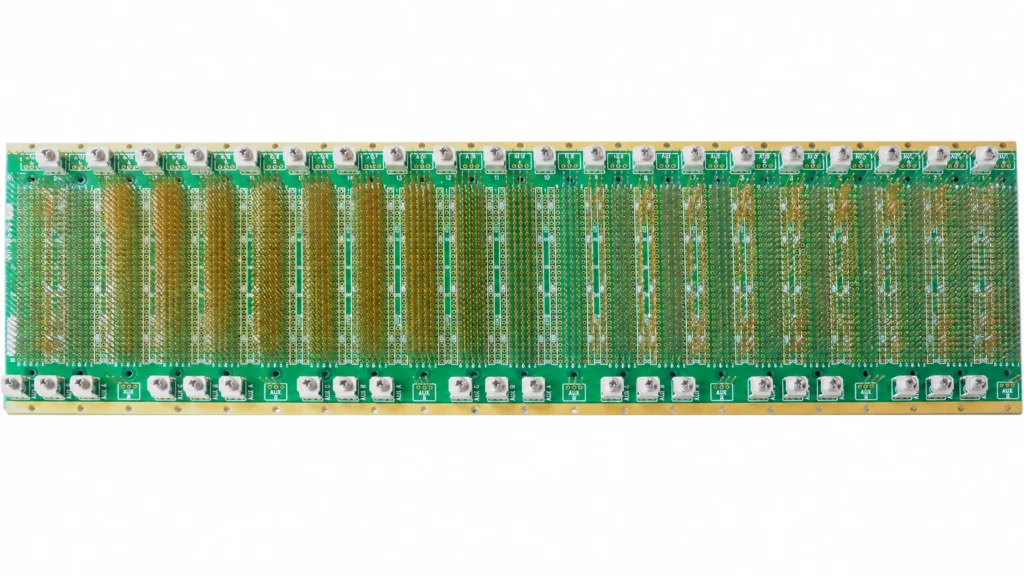
CompactPCI backplane selection is often reduced to slot count and board height. That approach misses the system-level decisions that determine
A connector datasheet defines the electrical and mechanical behavior of a mated interface under specified conditions. It generally assumes that
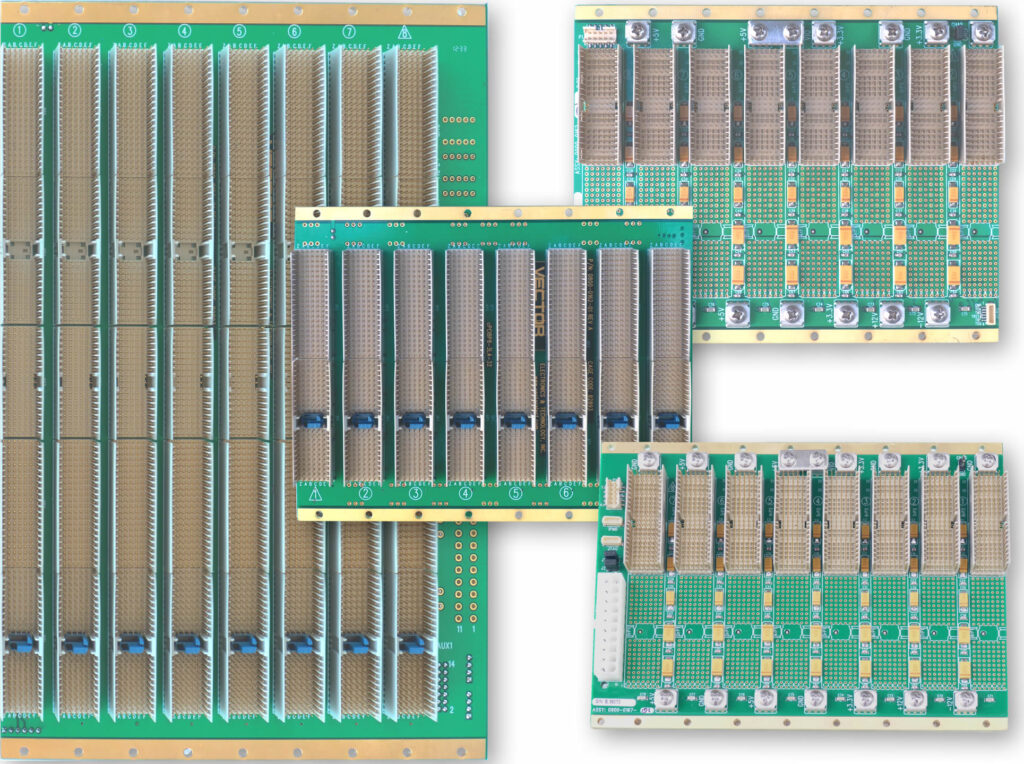
Legacy electronic systems rarely fail because a backplane is simply “old.” More often, the problem is that a backplane’s electrical
VME system architects often face a packaging decision before the electrical design is complete: use a 3U J1-only backplane, combine
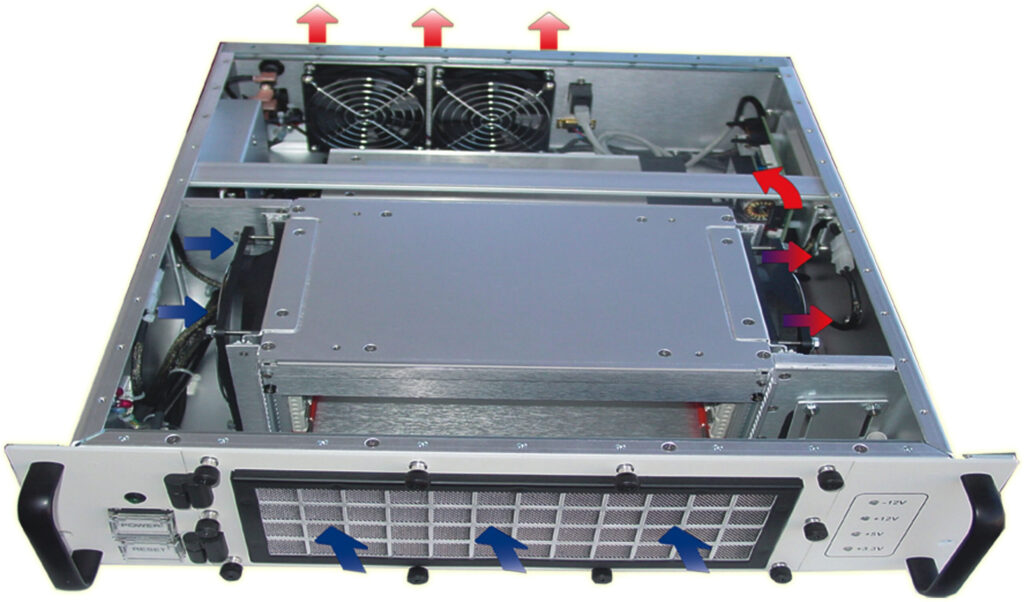
A partially populated VME card cage presents a thermal-management problem that is easy to overlook. The installed boards may have
A new VME, VME64x, or CompactPCI system often reaches a validation stage before the final payload cards are available. The
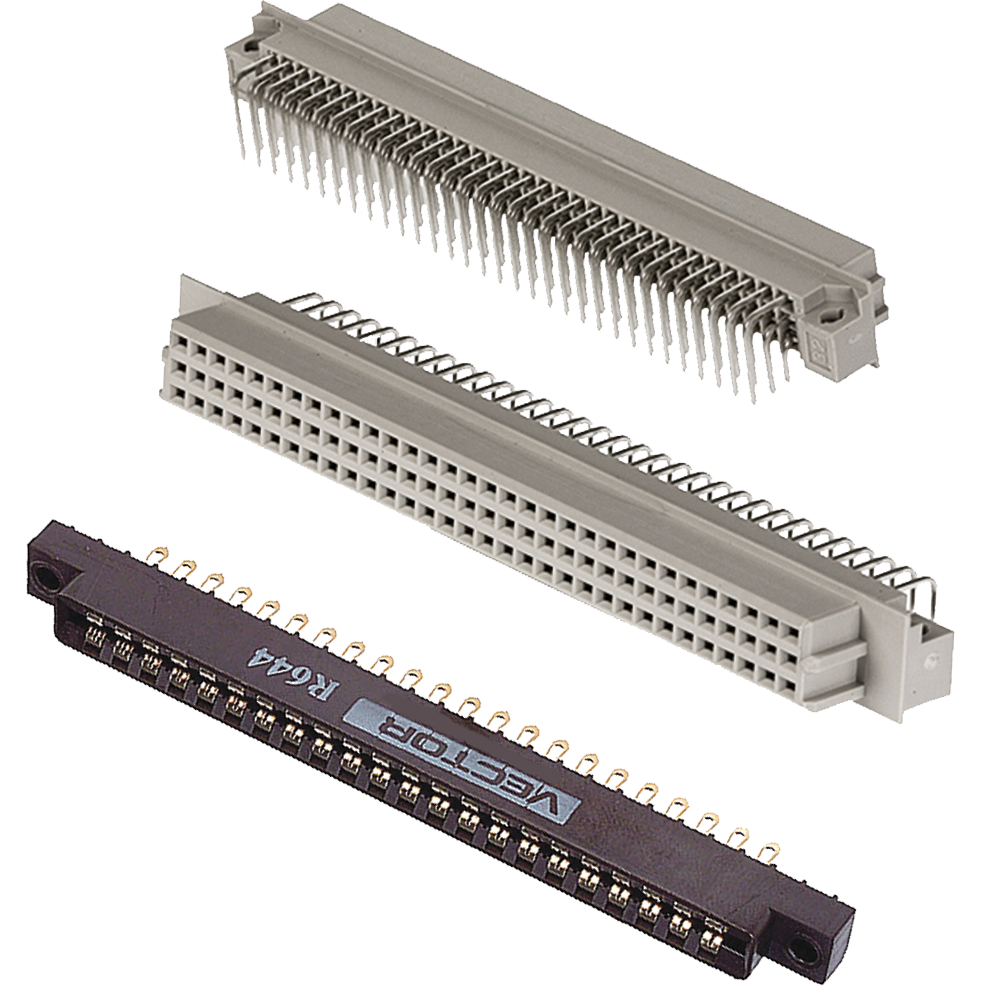
Connector selection is often treated as a component-level decision. In a backplane or daughter-card assembly, it is a system-design decision.
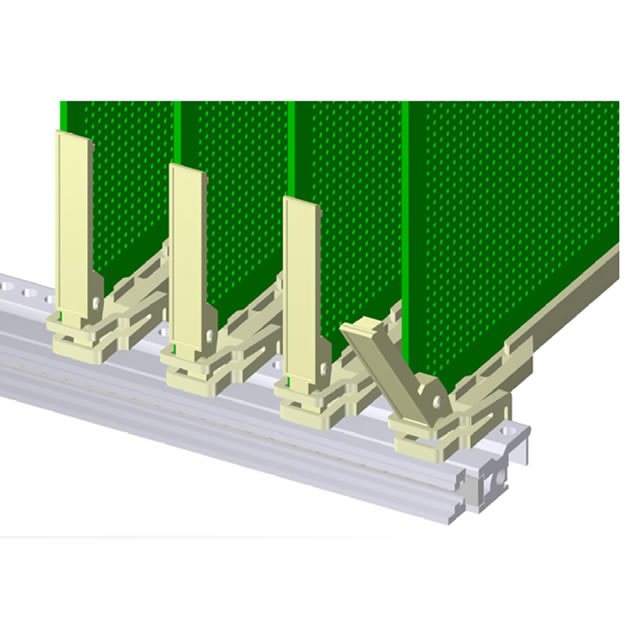
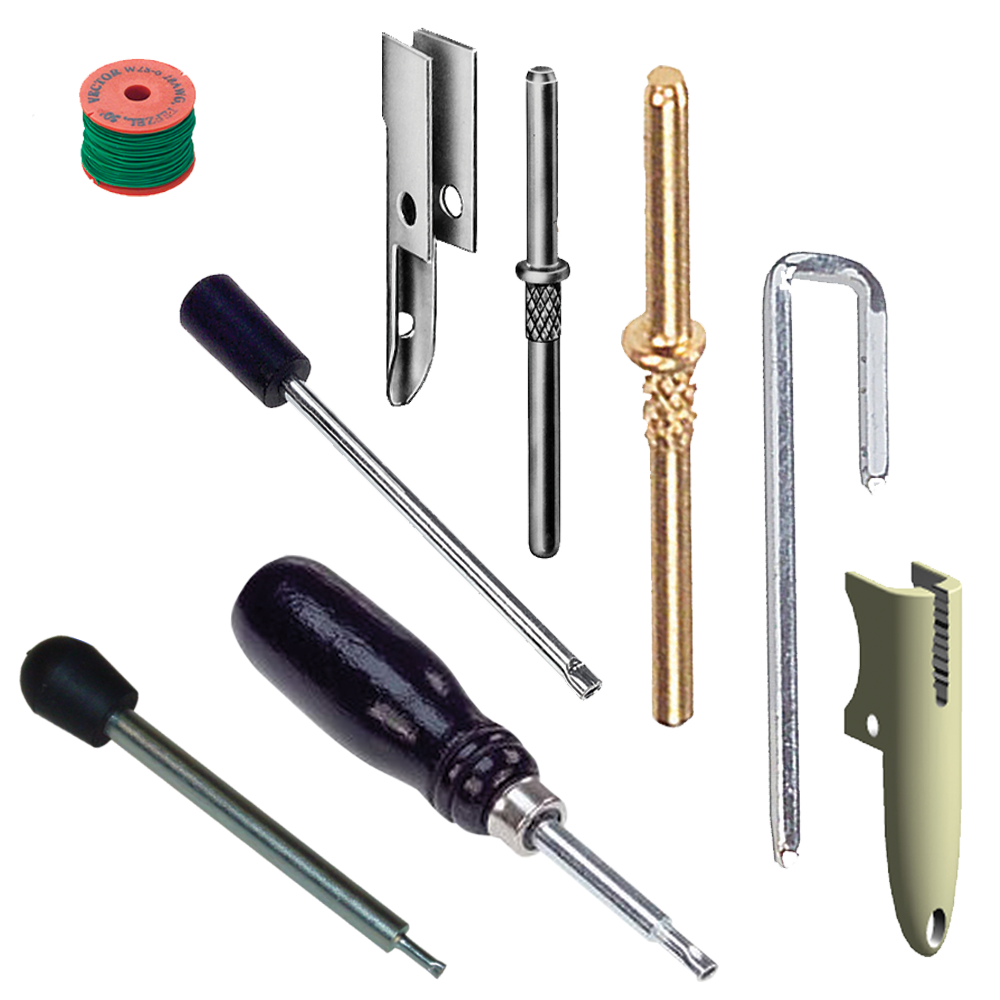
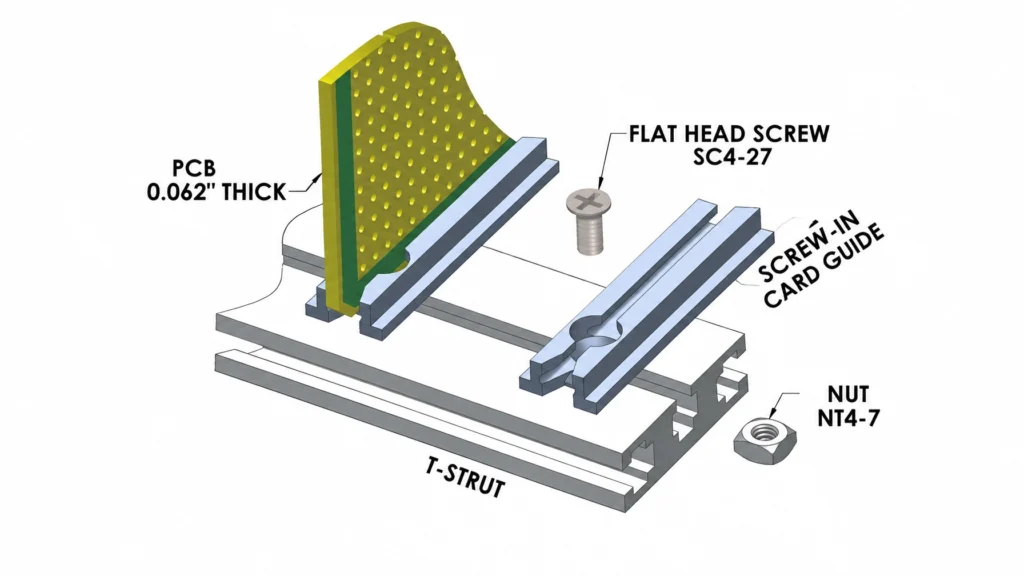
PCB accessories are often treated as secondary hardware. In practice, they establish the mechanical and electrical interface between a board,
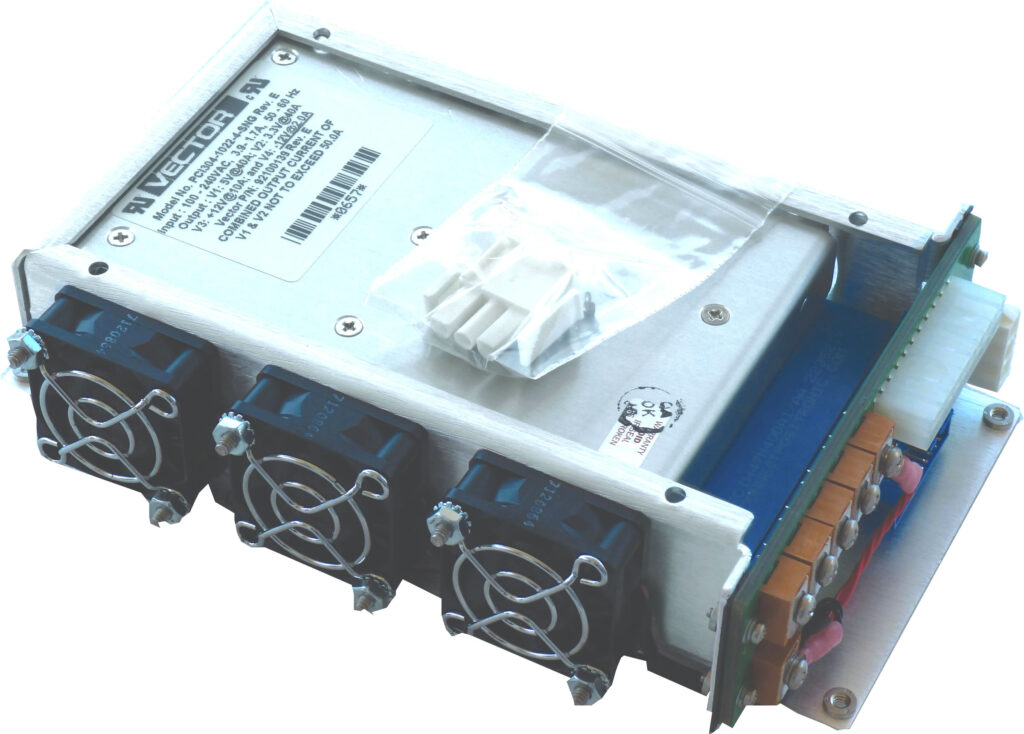
Selecting a plug-in power supply for a 19-inch rackmount system is not an isolated component choice. The supply must match
Aitech’s introduction of the C165 Rugged 6U VME Single Board Computer provides defense and aerospace programs with a processor upgrade
Press-fit connector assembly is often treated as a straightforward mechanical operation: align the connector, apply force, and seat it into
The practical value of an open architecture is measured at the point where a replacement card meets the physical system.
A backplane failure is often described as a connector problem. The symptoms may support that conclusion: intermittent signals, damaged contacts,
The ratification of the ANSI/VITA 90.x-2026 family on February 19, 2026 formally introduces VNX+ as the next-generation Enhanced Small Form
SEO title: OpenVPX Backplane Design Risks: 8 Integration MistakesMeta description: Learn how eight recurring OpenVPX backplane design mistakes affect signal
SEO title: OpenVPX Backplane Qualification and Documentation ControlsMeta description: A technical guide to controlling drawings, lane maps, stack-ups, analysis, inspection,
SEO title: Standard vs. Custom Backplanes: How to Choose the Right Design PathMeta description: Learn when to use an off-the-shelf,