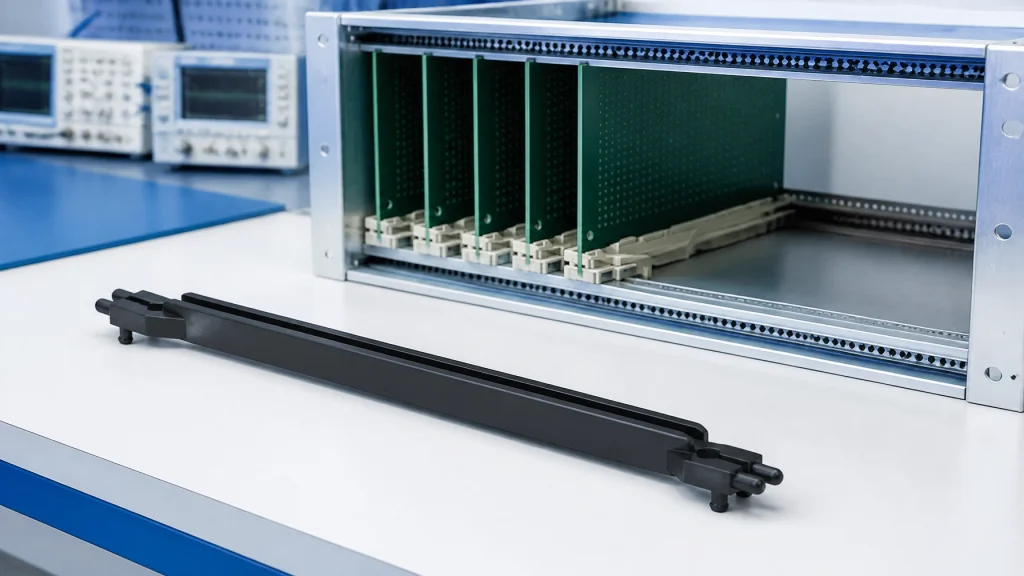
Non-Keyable Card Guides for IEEE 1101.1 Subracks: Mechanical Alignment, Fit, and Assembly Control
Mechanical alignment problems in a subrack usually show up late: during insertion testing, during integration with the backplane, or after […]
Mechanical alignment problems in a subrack usually show up late: during insertion testing, during integration with the backplane, or after […]
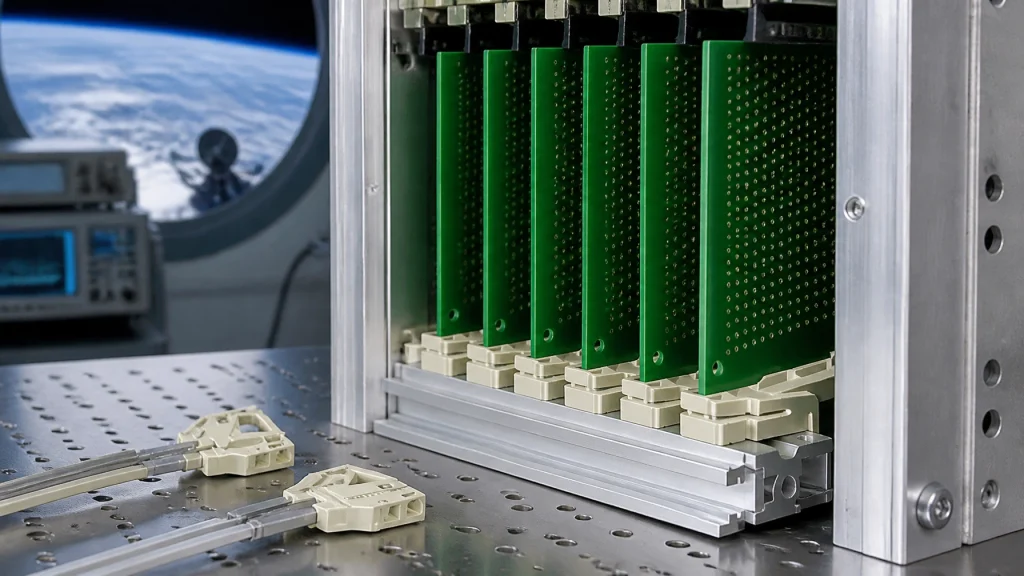
Choosing a card guide in a Eurocard system is rarely just a question of whether the PCB physically fits the
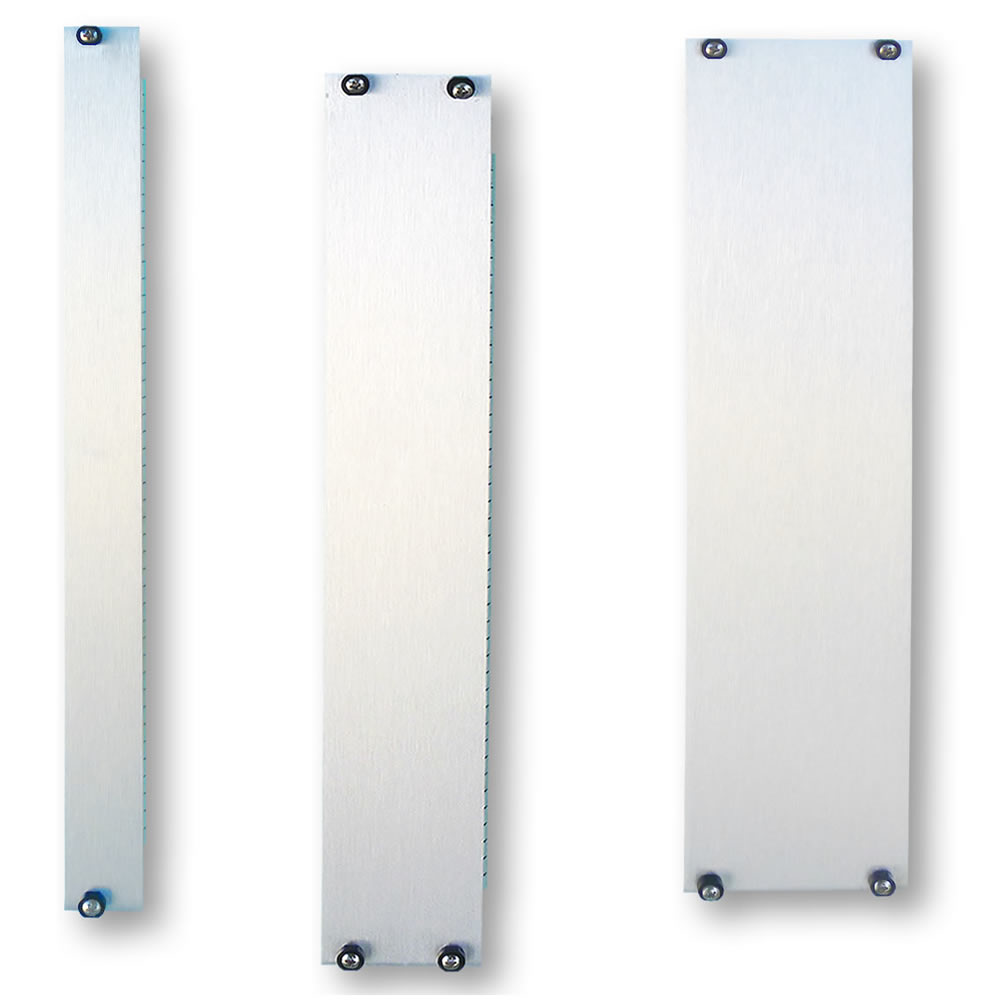
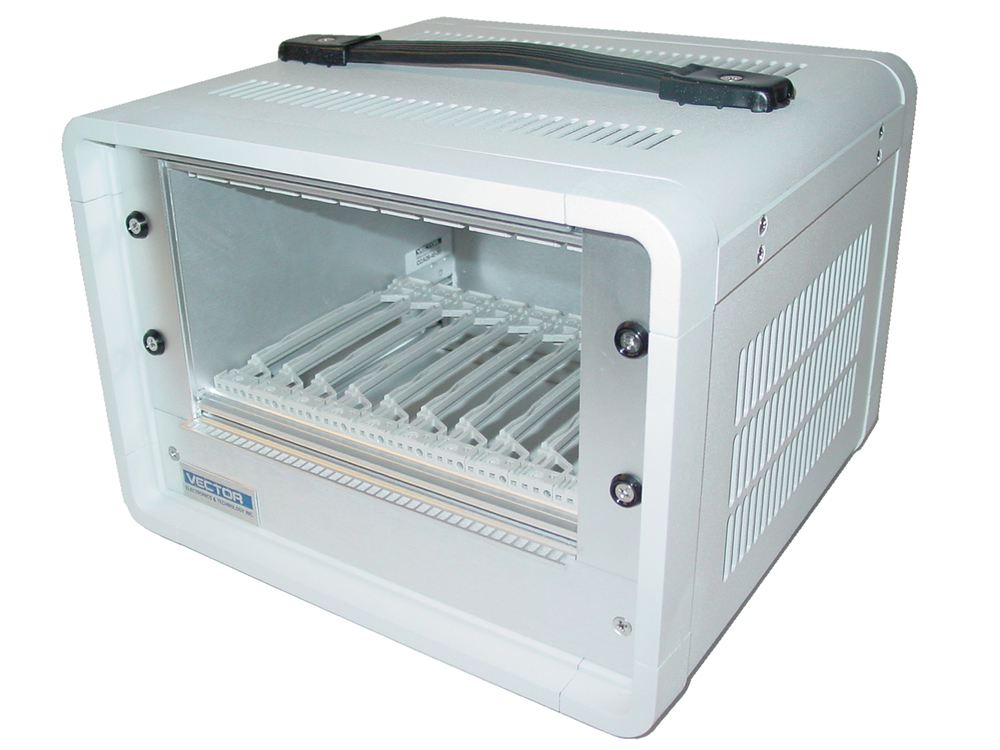
Representative Vector panel hardware image. Verify final featured image placement in the CMS is set to 1200 × 675 pixels
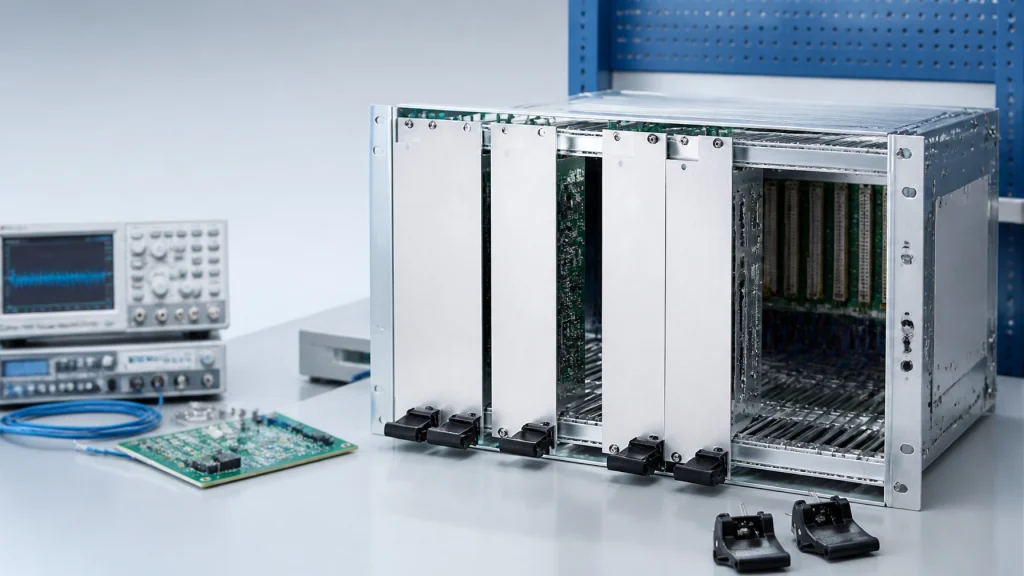
Selecting a non-EMC front panel for an EIA or Eurocard subrack is a mechanical design decision with direct consequences for
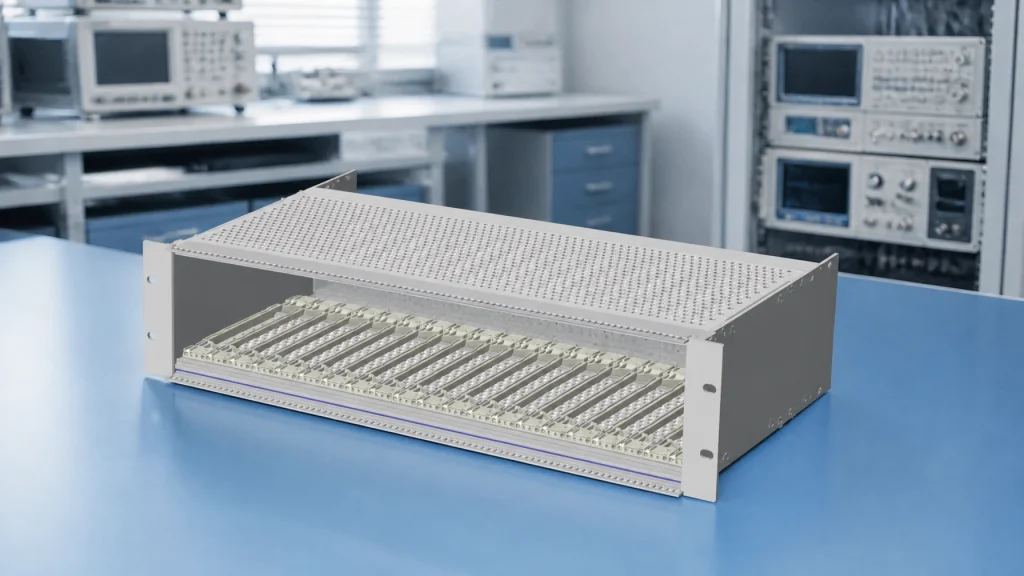
In non-metric 19-inch rack systems, card-guide spacing is not a cosmetic detail. It directly affects PCB insertion, connector engagement, service
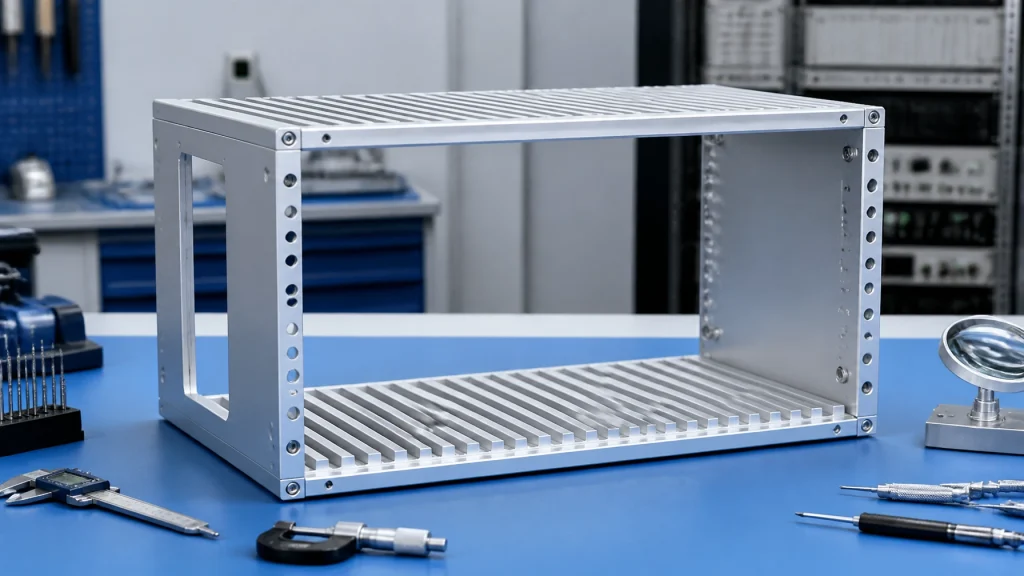
A subrack does not always need to arrive with card guides installed. In many electronic systems, the mechanical architecture is
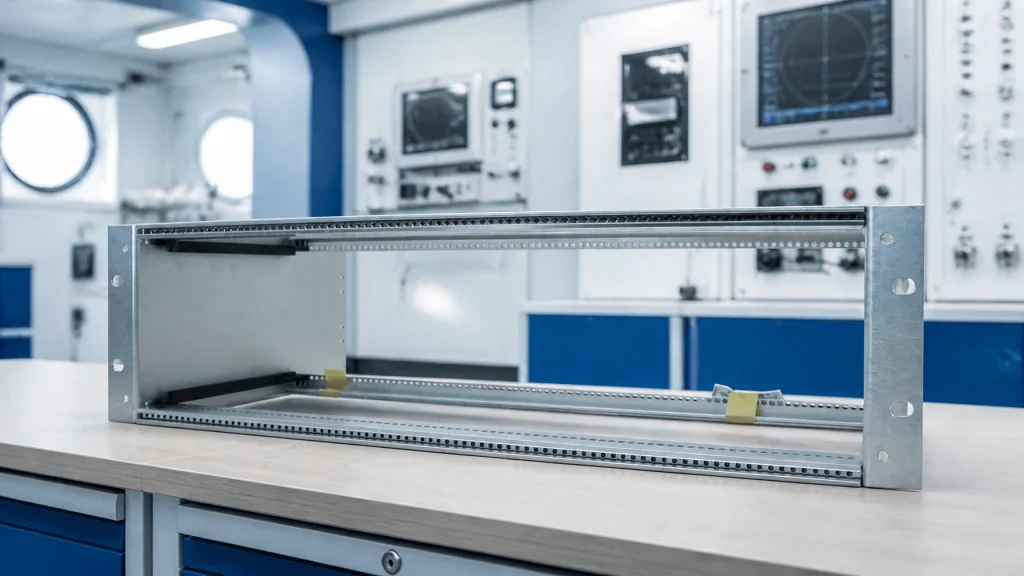
Mixed-width electronic assemblies are common in control, interface, instrumentation, and legacy-support systems, but they are not easy to package cleanly.
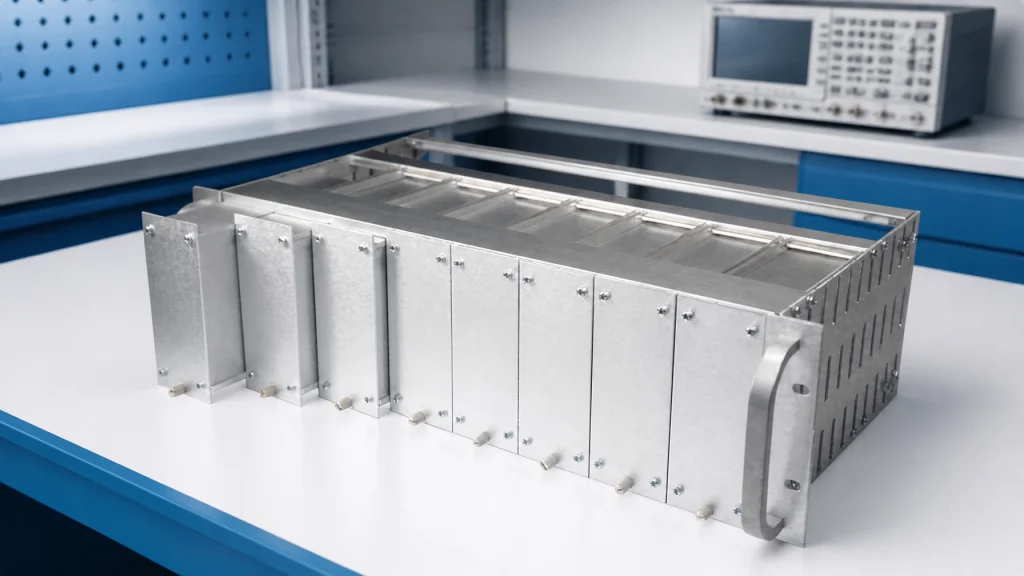
When a system uses removable electronic modules, the packaging problem is not limited to mounting PCBs. The enclosure has to
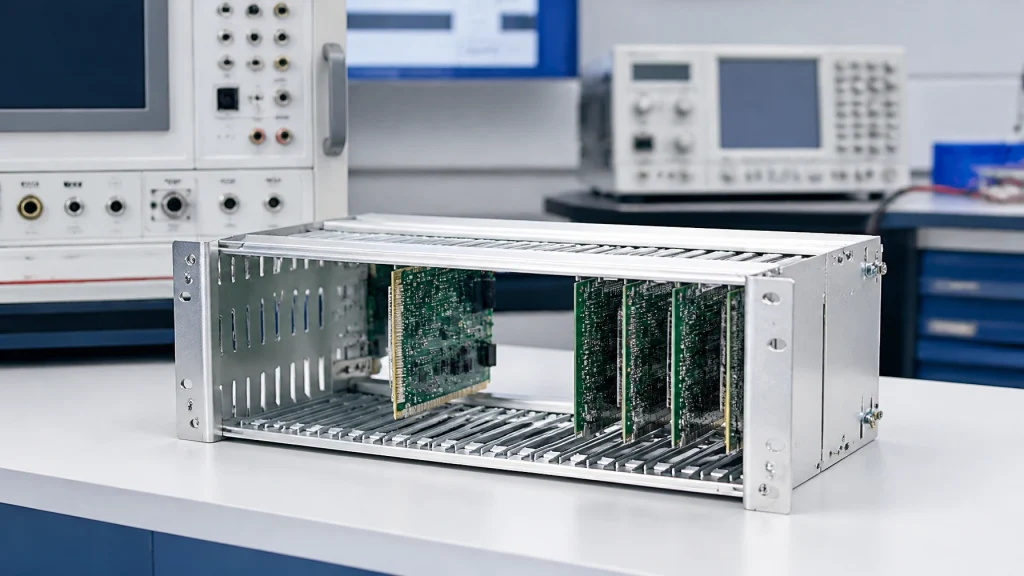
In card-cage design, guide strategy directly affects board pitch, connector alignment, serviceability, cooling behavior, and packaging density. That matters in
Electronic assemblies are often defined first by their electrical architecture: processor choice, backplane topology, connector density, power distribution, and signal
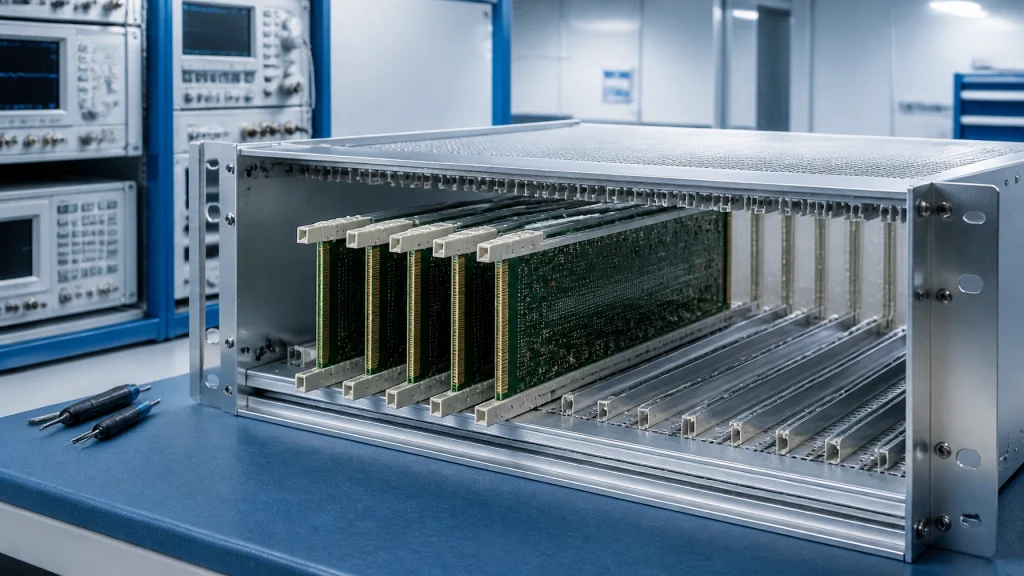
In EIA non-metric subracks, card guides are a basic mechanical interface that directly affects board insertion, connector alignment, maintainability, and
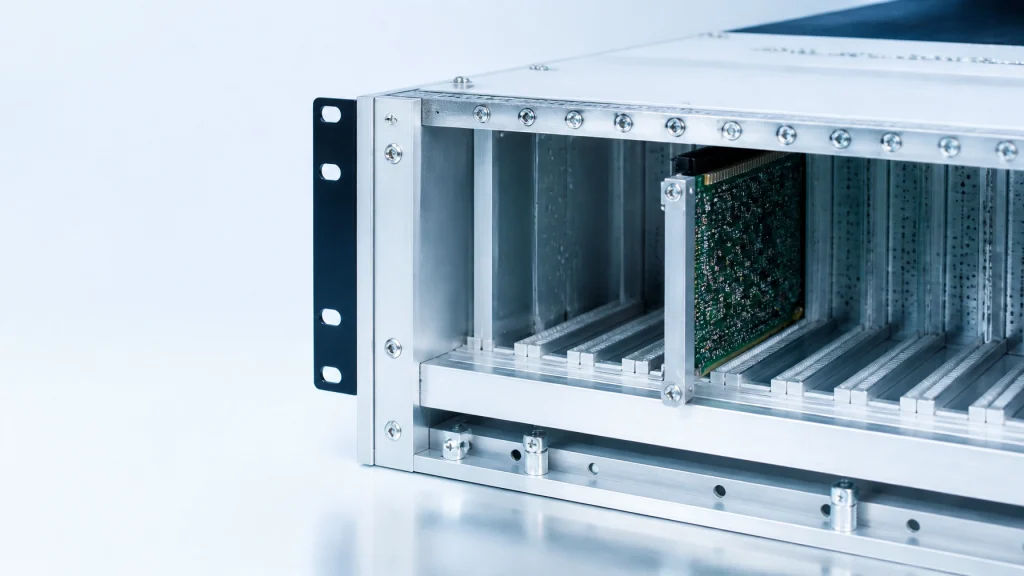
In non-metric subrack design, rail selection affects far more than packaging. The rail profile influences card location, module support, fastener
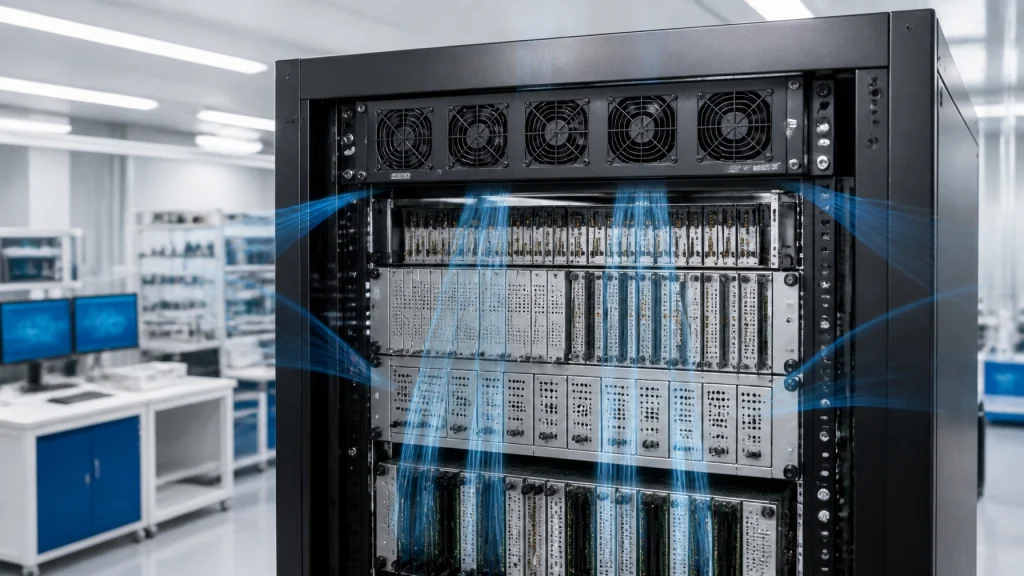
Thermal problems in a dense electronics cabinet usually begin long before a temperature alarm appears. A rack can have enough
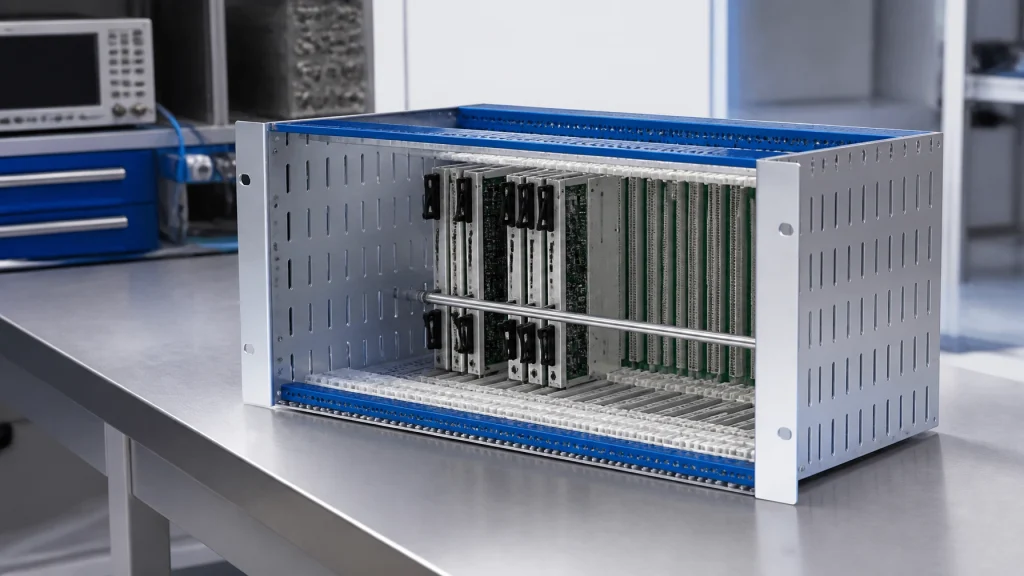
Mechanical problems in subrack integration rarely start at final assembly. They usually begin earlier, when rail positions, guide locations, connector
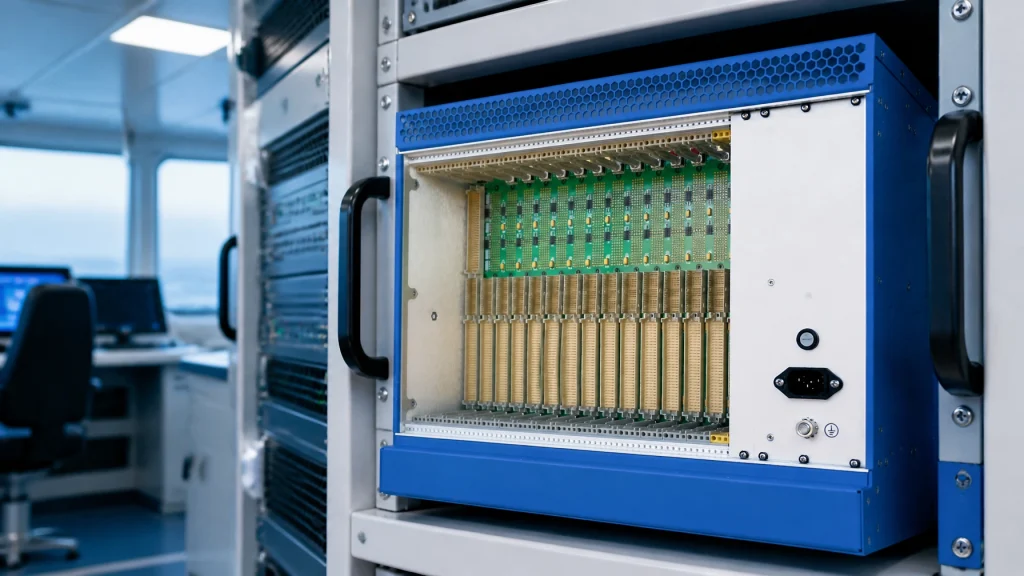
Packaging a 6U electronic system for a high-reliability environment is not simply a matter of fitting cards into a standard
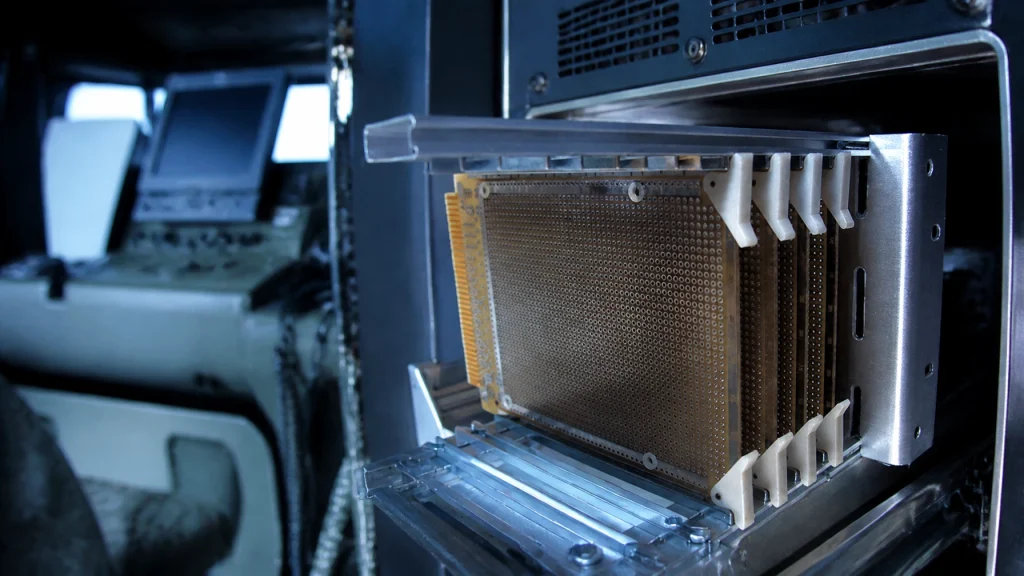
Designing a 6U electronic subsystem for a high-reliability environment requires more than selecting a card cage and installing it in
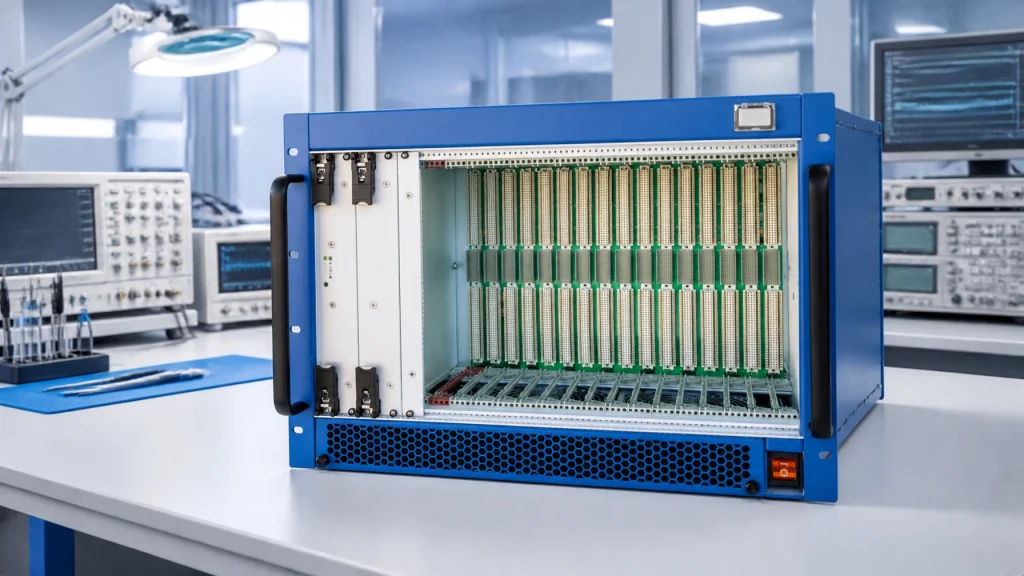
Deep-format horizontal card systems create a mechanical integration problem that is easy to underestimate. The chassis must provide sufficient card
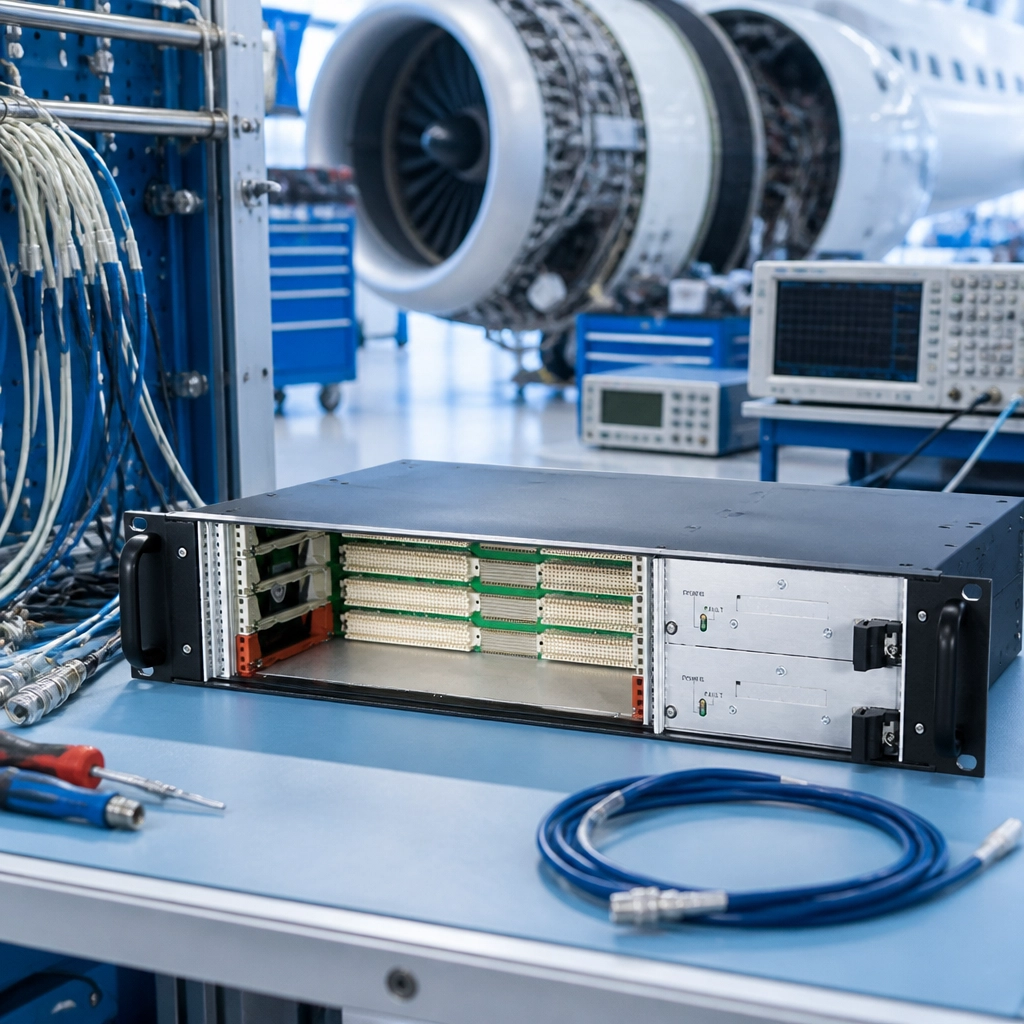
In a modular electronics system, access to the circuit cards is only one part of maintainability. Engineers must also be
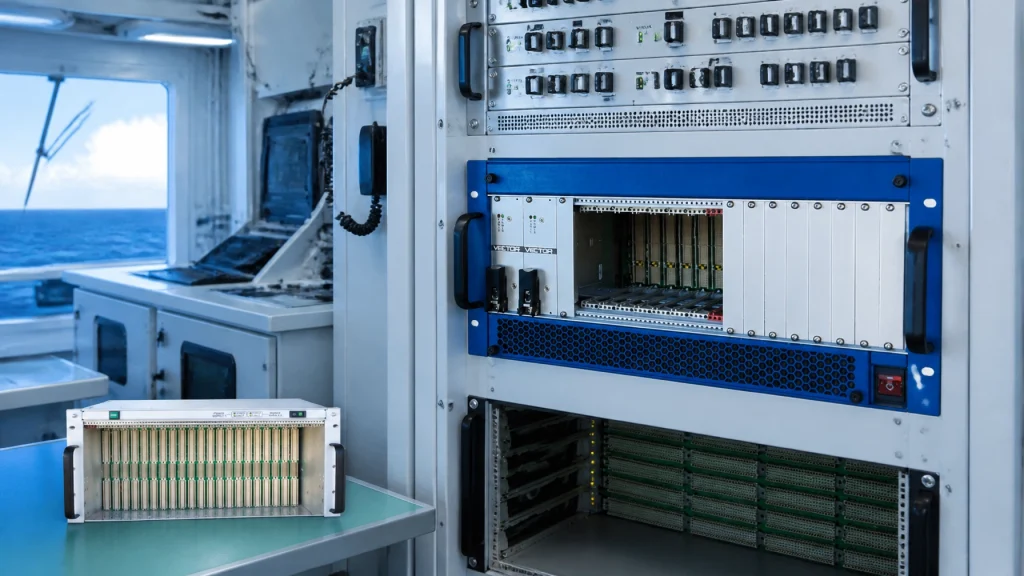
For systems built around 6U Eurocards, enclosure architecture affects more than mechanical fit. Card-entry direction, backplane placement, cable access, cooling
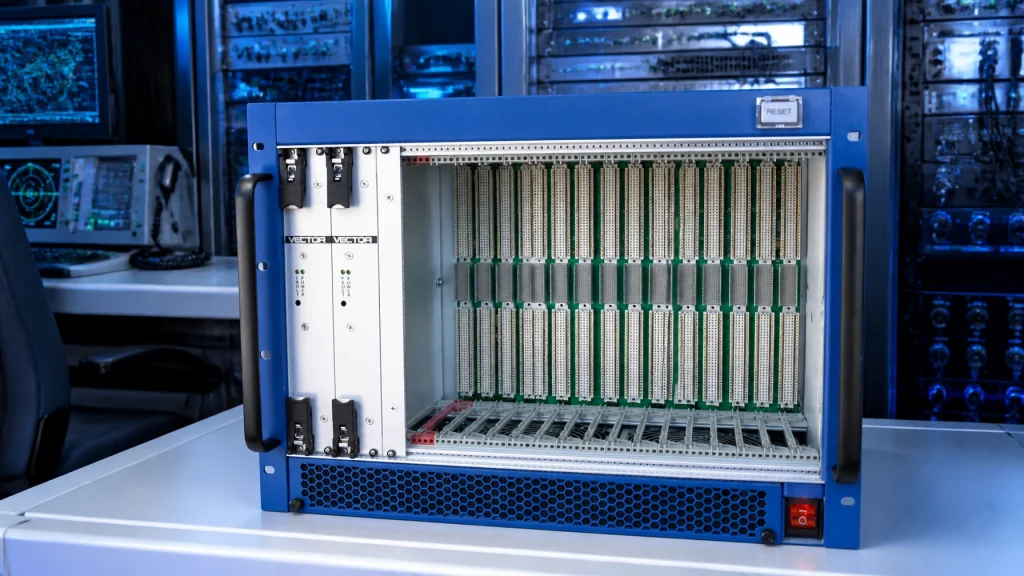
Packaging 6U electronics in a short rackmount enclosure creates a mechanical problem that is not solved by card height alone.